Wysa Alternatives: 5 Apps to Try If Wysa Isn't Quite Right
Wysa's bot misreading you, or the good stuff behind a paywall? Here are 5 gentle Wysa alternatives, sorted by what's not working, plus a 3-minute reframe.
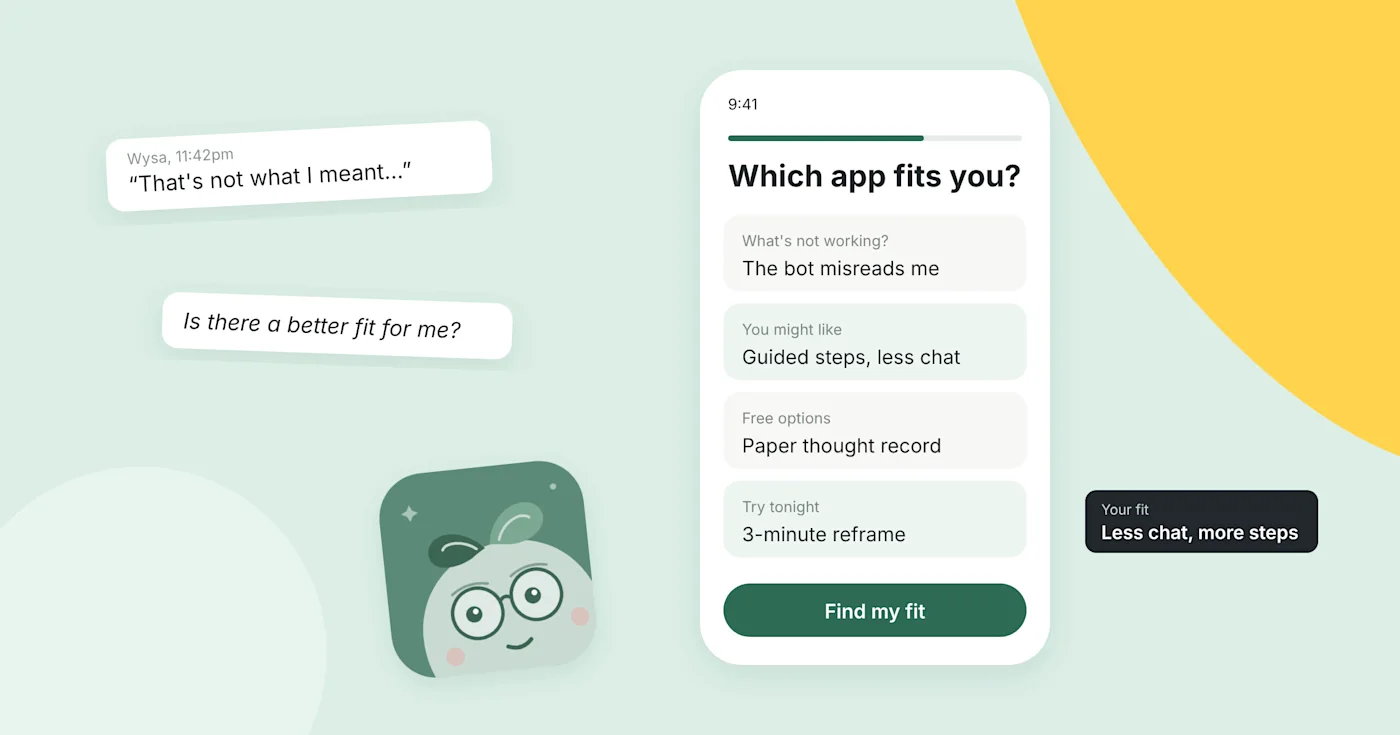
Maybe the chatbot keeps misreading you. Maybe the good exercises sit behind a paywall. Or maybe you just want something that feels a little more like you.
That's a fair reason to look around. The best Wysa alternatives are Youper, MindShift CBT, How We Feel, Miranote, and a simple paper thought record. Which one fits depends on what's not working for you in Wysa right now.
Why people look for Wysa alternatives
Wysa does a lot well. It's easy to use, the CBT exercises are short, and you don't need to give your real name. A detailed ChoosingTherapy review rated it 4 out of 5.
The same review points out the common frustrations, and they match what people say on Reddit and in app reviews:
The free version is thin. You get a taste of each module, but most exercises need the paid plan.
The bot can feel rigid. It sometimes misreads replies, which is hard when you're already upset.
Coaching is text-only. Wysa's coaches aren't licensed therapists, and there's no voice or video option.
If one of those is your reason, the list below is sorted with that in mind.
The best Wysa alternatives
1. Youper: if you want chat plus mood insights
Youper mixes an AI chat with mood check-ins, journaling, and short exercises from CBT, ACT, and DBT. It's a good pick if you like talking things through but also want to see your mood patterns over time.
Worth knowing: most features need a subscription after the free trial.
2. MindShift CBT: if you want tools, not chat
MindShift CBT is a free app from Anxiety Canada with a thought journal, coping tools, and anxiety check-ins. If Wysa's chatbot felt awkward, a toolkit you use at your own pace can feel calmer and more predictable.
3. How We Feel: if cost is the issue
How We Feel is a free mood journal built with scientists from the Yale Center for Emotional Intelligence. It helps you name a feeling and suggests a small strategy. No paywall to hit.
4. Miranote: if you want to work on one thought at a time
Miranote is our app, so weigh that. Instead of a back-and-forth chat, you write the thought down, Miranote helps you spot the thinking trap behind it, and then guides you to a fairer version. It's quieter and more focused than a chatbot.
5. A paper thought record: if you want zero apps
Every CBT app is built on the same core tool: the thought record. You can do it with a pen in a few minutes. Our guide to the three-minute thought record shows you how.
Which Wysa alternative is right for you?
"The free version wasn't enough." Try How We Feel or a paper thought record.
"The bot didn't get me." Try MindShift CBT or Miranote, which rely less on open chat.
"I liked chatting, I just want more." Try Youper.
"I think I need a real person." Consider a licensed therapist, in person or online.
Try this tonight: the 3-minute reframe
Whatever app you choose, the skill is the same. Here's a worked example.
The thought: "I said something stupid in the meeting. Everyone thinks I'm useless now."
Step 1: Spot the thinking trap. This mixes mind reading (assuming what others think) with jumping from one moment to a big label.
Step 2: Ask one honest question. "If a coworker said the same thing, would I decide they were useless?" Probably not. You'd forget it by lunch.
Step 3: Write a fairer thought. "I fumbled one point. People are busy with their own work. One comment doesn't erase everything I do well."
You might not feel instantly better, and that's okay. The goal is a thought that's more accurate, not more cheerful. For more questions like the one in step 2, see our list of Socratic questions.
If you'd like a guided way to practise this, Miranote walks you through each step and helps you spot the thinking trap behind a thought.
When to get extra support
Apps like Wysa and its alternatives are self-help tools. They can help you build skills, but they aren't therapy and can't diagnose or treat anything.
If low mood or anxious thoughts have lasted for weeks, or they're affecting your sleep, work, or relationships, it's worth talking to a doctor or licensed therapist. If you ever feel unsafe, contact your local emergency number. In the US you can call or text 988, and in the UK you can call Samaritans on 116 123.
Finding a better fit
Switching apps doesn't mean you failed at the last one. It means you're learning what actually helps you. Try one alternative for a week, notice how you feel after using it, and keep what feels kind. Miranote is there if you want a calm place to start. And if you landed here after Woebot closed, our guide to Woebot alternatives covers that switch too.
Questions about this
Is Wysa free?
Wysa has a free version with mood check-ins and a sample exercise from each module. Most exercises, the self-care library, and sleep content need a paid plan, and human coaching costs extra. Prices can differ by device and change over time, so check the app store listing for current pricing.
What app is better than Wysa?
No app is better for everyone. Youper suits people who like chatting and tracking mood. MindShift CBT suits people who want free, practical CBT tools. How We Feel is free. Miranote suits people who want to reframe one specific thought without a long conversation.
Are Wysa coaches real therapists?
According to ChoosingTherapy's review, Wysa's coaches have master's-level psychology training but aren't licensed therapists, and they can't diagnose. Sessions happen by text inside the app. If you need therapy, a licensed professional is the right next step.
Is there a free alternative to Wysa?
Yes. How We Feel is free, and a pen-and-paper thought record costs nothing and uses the same CBT method most apps are built on. Some apps, including Miranote, also let you try core features before paying.
Can a mental health app replace therapy?
No. Self-help apps can help you practise useful skills between hard moments, but they can't replace a trained professional. If your thoughts feel persistent or overwhelming, reaching out to a doctor or therapist is a strong, healthy step.
Written by
Content writer
Emily Carter writes for MiraNote about everyday CBT skills, thinking traps, and calm, practical ways to untangle a hard thought.
Written and reviewed under our editorial guidelines.
More from the blog
All posts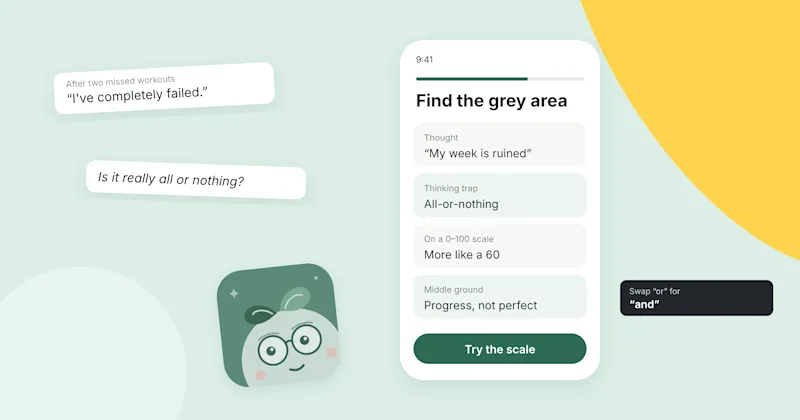
All-or-Nothing Thinking: Examples and How to Find the Middle Ground
One mistake doesn't mean you failed. See real all-or-nothing thinking examples, why your brain thinks in extremes, and 4 CBT steps to find the middle ground.
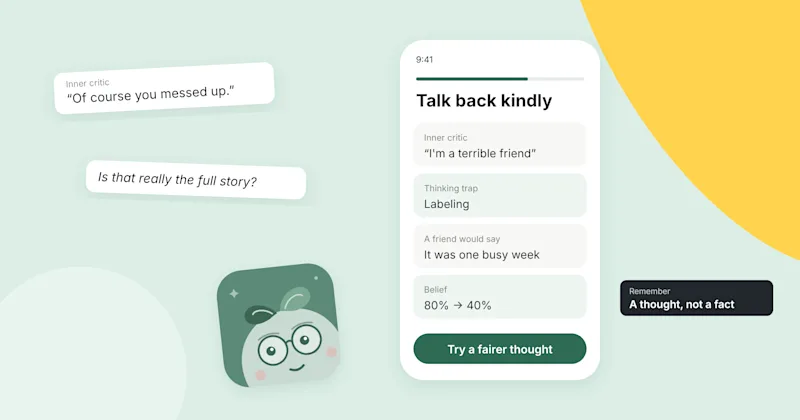
Negative Self-Talk: How to Quiet Your Inner Critic (Without Faking Positivity)
Your inner critic isn't telling the whole truth. Learn 5 CBT-based ways to quiet negative self-talk, plus a 5-minute reframe, no forced positivity needed.
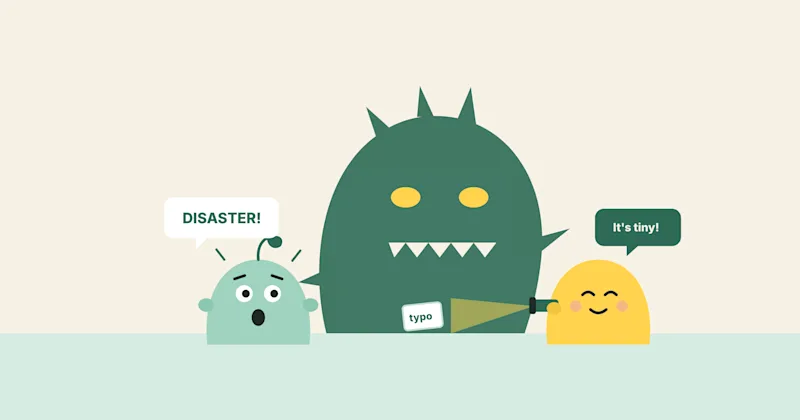
Catastrophizing: What It Is and How to Stop Expecting the Worst
Does your mind jump straight to the worst case? Learn what catastrophizing is, why it happens, and a simple 5-step CBT technique to stop it.