Cognitive distortions
The nineteen patterns that make a thought feel more certain than it is, and how to recognise each one.
A cognitive distortion is a habit of thinking that bends the evidence. It is not a sign that something is wrong with you. Everyone uses these shortcuts, especially when tired, anxious, or low. The trouble is that a distorted thought feels exactly as true as an accurate one, so it drives the feeling before you have a chance to check it.
The idea comes from cognitive behavioural therapy. Psychiatrist Aaron Beck described these thinking errors in the 1960s, and David Burns made the list widely known in his 1980 book Feeling Good. Naming the pattern is the useful part. Once you can say "that is mind reading" or "that is catastrophizing", the thought becomes something to examine instead of a fact to obey.
The nineteen patterns MiraNote names
MiraNote groups distortions into five families. When you write a thought in the app, it suggests which ones might be present, and you decide whether they fit.
Black and white: all-or-nothing thinking, overgeneralization, mental filter, and disqualifying the positive. These flatten a mixed situation into one extreme.
Mind tricks: mind reading, fortune telling, catastrophizing, and jumping to conclusions. These fill a gap in the evidence with the worst available guess.
Self-blame: personalization, labeling, should statements, and blaming. These turn an event into a verdict about a person.
Feeling as fact: emotional reasoning, magnification, and minimization. These let the strength of a feeling decide how big something is.
Comparison and control: comparison, approval seeking, always being right, and the control fallacy. These measure your worth against other people or against outcomes you cannot control.
Most anxious thoughts contain more than one. "They didn't reply, so they must be annoyed and I've ruined it" is mind reading and catastrophizing in a single sentence.
How to use these guides
Each guide below takes one pattern, shows what it sounds like in everyday life, and walks through a reframe. Start with mind reading, one of the most common patterns behind social anxiety. To practise changing a distorted thought, read the guide to cognitive reframing, then try a three-minute thought record.
Spotting a distortion does not mean the feeling behind it is wrong or that the situation is fine. It means the thought deserves a second look before you act on it.
Articles on cognitive distortions
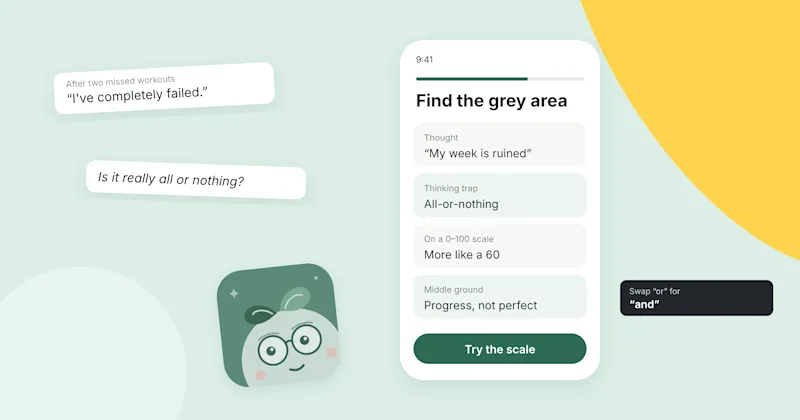
All-or-Nothing Thinking: Examples and How to Find the Middle Ground
One mistake doesn't mean you failed. See real all-or-nothing thinking examples, why your brain thinks in extremes, and 4 CBT steps to find the middle ground.
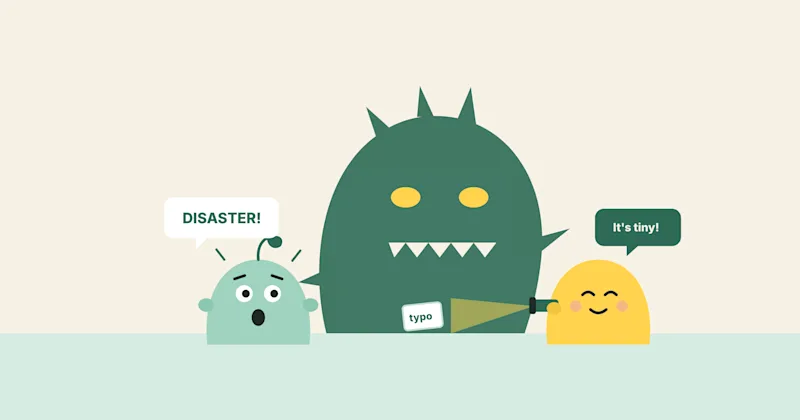
Catastrophizing: What It Is and How to Stop Expecting the Worst
Does your mind jump straight to the worst case? Learn what catastrophizing is, why it happens, and a simple 5-step CBT technique to stop it.
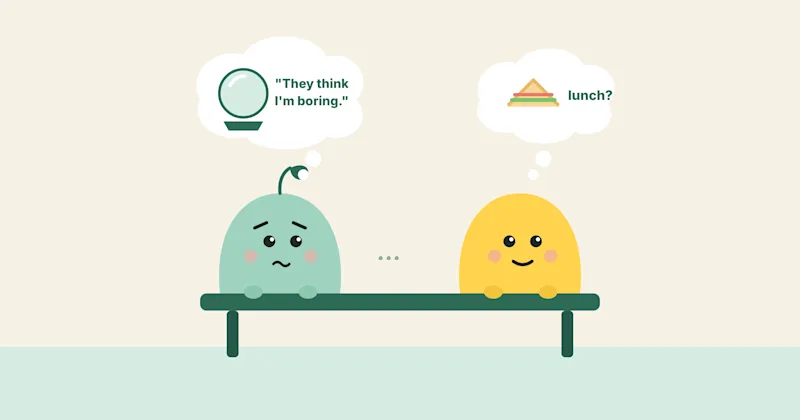
What is mind reading, and why does it feel so certain?
Mind reading is the habit of assuming you know what someone else thinks, without evidence. Here is how to spot it and what to write instead.