Catastrophizing: What It Is and How to Stop Expecting the Worst
Does your mind jump straight to the worst case? Learn what catastrophizing is, why it happens, and a simple 5-step CBT technique to stop it.
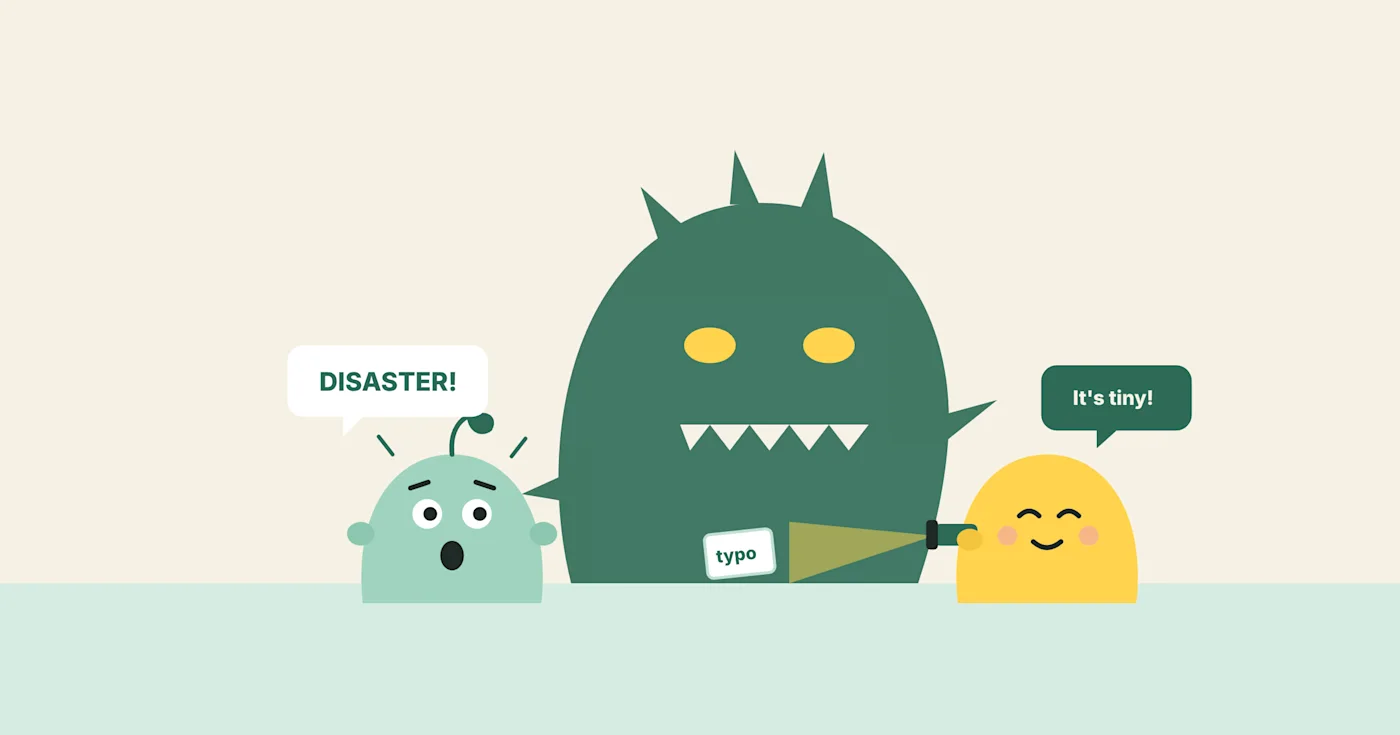
Your friend hasn't replied, so they must be upset with you. Your partner is late, so something must have happened. You made one mistake at work, so you'll probably get fired, then lose the flat, then…
That chain reaction has a name: catastrophizing. It's one of the most common thinking traps there is, and one of the most exhausting. The good news is that it's also one of the easiest to spot once you know what to look for. Here's what it is, why it happens, and a simple CBT technique that helps.
What is catastrophizing?
Catastrophizing is when your mind jumps to the worst possible outcome and treats it as likely, or even certain. It usually comes in one of two forms:
The chain: one small problem snowballs into disaster, step by step. "I'm late, so I'll miss the meeting, so my boss will be furious, so I'll lose my job."
The leap: you skip straight to the worst case. "My flight is delayed, so the whole trip is ruined."
It's a cognitive distortion, a predictable pattern your brain falls into, especially when you're stressed, tired or anxious. It isn't a character flaw. Your mind is trying to protect you by preparing for danger. It just overshoots.
Signs you might be catastrophizing
Your thoughts start with "What if…" and end badly
You use words like "disaster", "ruined", "I can't cope" or "everything"
You feel the fear in your body before anything has actually happened
You spend more time planning for the worst case than the likely one
How to stop catastrophizing: a 5-step CBT technique
Therapists call this decatastrophizing. It doesn't ask you to think positively. It asks you to think accurately (SOVA, University of Pittsburgh).
1. Write the catastrophe down
Put the scary thought into one clear sentence: "I'll fail the exam and never get into the course." Seeing it on paper takes away some of its power.
2. Rate how likely it really is
Give it a percentage. Then ask: how often has this actually happened before? Catastrophes often feel close to certain, but when you check your own track record, they rarely happen.
3. Map the worst, best and most likely outcomes
Write all three. The worst case is the one you've been rehearsing. The best case shows there's another end to the scale. The most likely case is usually the boring one in the middle, and it's the one worth planning for.
4. Ask: "If it did happen, how would I cope?"
This is the step most people skip. Even if the worst came true, you'd have options: people to ask, things to try, ways through. Catastrophizing tells you "I couldn't handle it." You usually could.
5. Write a balanced version
"I'm worried about the exam. I've studied, and I've passed similar ones before. If it goes badly, I can retake it or talk to my tutor." Notice how much smaller the thought feels.
Want to make this a habit? MiraNote turns these steps into a guided, 3-minute thought record. You write the thought, it helps you spot when catastrophizing (or another of its 19 thinking patterns) is behind it, and you finish with a balanced version you can believe. Download on the App Store or get it on Google Play. It's free to try.
Try it now: decatastrophize one thought
The thought: "I made a typo in the client report. They'll think we're incompetent and drop us."
Likelihood: it feels like 80%. Honestly? Maybe 5%.
Worst case: they're annoyed and mention it. Best case: nobody notices. Most likely: someone spots it, I send a corrected copy, and it's forgotten by Friday.
Coping plan: fix it now, send a short note, and double-check the next one.
Balanced thought: "It's a small mistake that's easy to fix. One typo doesn't end a client relationship."
If your catastrophes tend to show up as "what if?" loops about the future, our guide to rumination vs worry can help. And for a close cousin of this trap, see what mind reading is and why it feels so certain.
When to get extra support
Everyone catastrophizes sometimes. But if worst-case thinking is constant, leads to panic, stops you doing things, or comes with anxiety or low mood that won't lift, talk to a GP, doctor or licensed therapist. Working on this pattern with a CBT therapist can help a lot.
If you ever feel unsafe or think you might act on thoughts of harming yourself, please contact emergency help right away. In the US you can call or text 988. In the UK, Samaritans are available on 116 123. Elsewhere, call your local emergency number.
From "disaster" back to "difficult"
Many catastrophes never arrive. The ones that do are often smaller and more manageable than your mind predicted. Catching the thought, checking the odds and making a coping plan turns "disaster" back into "difficult", and difficult is something you can handle.
MiraNote helps you practise that in about three minutes. Download MiraNote for iPhone or for Android, and try it the next time your mind races to the worst case.
Questions about this
What is an example of catastrophizing?
A common example: "I made one mistake in the report, so my boss will think I'm useless, I'll get fired, and I won't find another job." One small event quickly snowballs into a disaster in your mind, even though the most likely outcome is that the mistake gets fixed and forgotten.
Why do I always think the worst will happen?
Your brain is wired to spot danger, and when you are stressed, tired or anxious, that alarm becomes more sensitive. Past difficult experiences can also teach your mind to expect the worst. Catastrophizing is a habit of thinking, not a fact about the future, and habits can be retrained with practice.
Is catastrophizing a sign of anxiety?
Catastrophizing is common in anxiety, but almost everyone does it sometimes, especially under stress. On its own it is not a diagnosis. If worst-case thinking is constant, triggers panic, or stops you doing everyday things, it is worth talking to a GP, doctor or licensed therapist.
Can an app help me stop catastrophizing?
Yes. MiraNote walks you through a quick thought record: write the worst-case thought, see whether catastrophizing or another thinking pattern is behind it, and finish with a balanced version in about three minutes. It is a self-help tool, not therapy, and it is free to try on iPhone and Android.
Written by
Content writer
Emily Carter writes for MiraNote about everyday CBT skills, thinking traps, and calm, practical ways to untangle a hard thought.
Written and reviewed under our editorial guidelines.
More on cognitive distortions
All cognitive distortions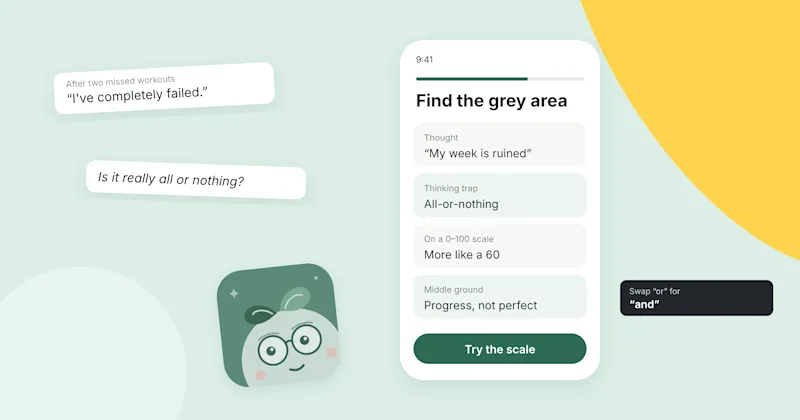
All-or-Nothing Thinking: Examples and How to Find the Middle Ground
One mistake doesn't mean you failed. See real all-or-nothing thinking examples, why your brain thinks in extremes, and 4 CBT steps to find the middle ground.
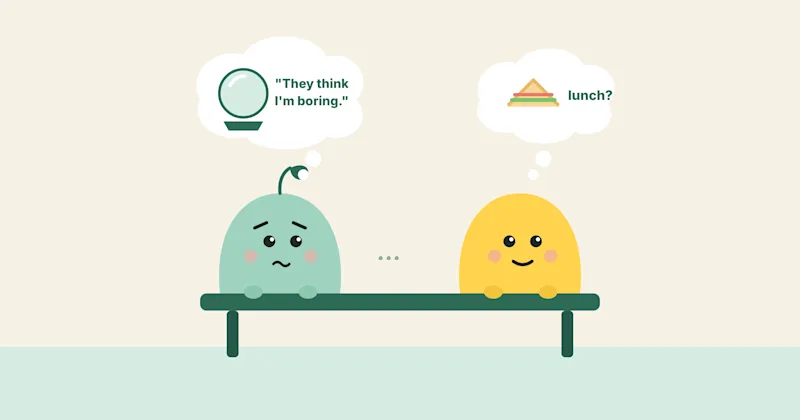
What is mind reading, and why does it feel so certain?
Mind reading is the habit of assuming you know what someone else thinks, without evidence. Here is how to spot it and what to write instead.
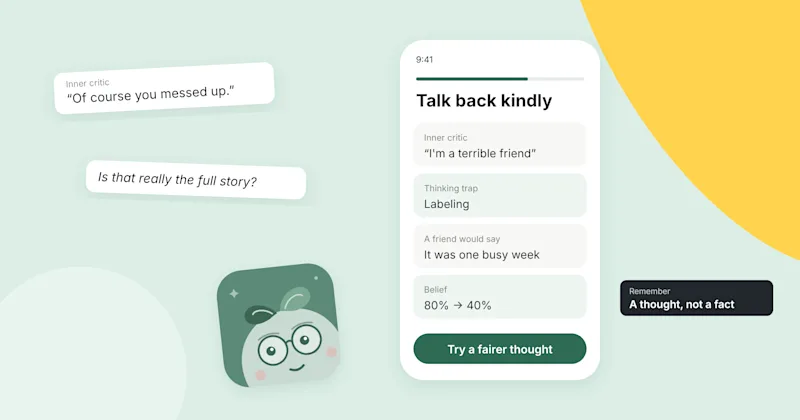
Negative Self-Talk: How to Quiet Your Inner Critic (Without Faking Positivity)
Your inner critic isn't telling the whole truth. Learn 5 CBT-based ways to quiet negative self-talk, plus a 5-minute reframe, no forced positivity needed.