Woebot Alternatives: 5 Kind, CBT-Based Apps to Try Now
Woebot shut down in 2025. Here are 5 kind, CBT-based alternatives, how to pick the one that fits how you used it, and a 3-minute reframe to try tonight.
If you used Woebot to talk yourself down from a bad night, losing it can feel like losing a quiet friend. That reaction makes sense. You built a habit around it, and now there's a gap.
The short answer: Woebot's consumer app shut down on June 30, 2025, and the best Woebot alternatives today are Wysa, Youper, MindShift CBT, How We Feel, and Miranote. Each one keeps a different part of what Woebot did well. Below, you'll find which one fits the way you actually used it.
What happened to Woebot?
Woebot Health retired its app on June 30, 2025. Users could download their chat history until that date, and the company said account data would be anonymized after July 31 (MobiHealthNews).
The company never gave a clear public reason. Industry experts quoted by New Atlas pointed to how hard it is to deliver safe, effective digital mental health support at scale. Either way, the app is gone, and many people are still looking for something to replace it.
What made Woebot useful in the first place?
Before you pick a replacement, it helps to know what you're replacing. Most people liked Woebot for three things:
It used CBT. Cognitive behavioral therapy (CBT) is a well-studied approach that helps you notice how thoughts, feelings, and actions feed each other (NHS).
It was there at 2am. No appointment, no waiting room, no judgment.
It was short. A few minutes of chat, one small reframe, and you could go back to sleep.
So the real question is not "which app is most like Woebot?" It's "which part did I lean on most?"
The best Woebot alternatives in 2026
1. Wysa: the closest chatbot experience
Wysa is an AI chatbot built on CBT, with breathing, mindfulness, and small "micro-actions" mixed in. In 2022 the FDA gave it Breakthrough Device Designation for adults living with chronic pain alongside depression and anxiety (Business Wire).
Good fit if: you mostly liked chatting with a friendly bot. Keep in mind: some features sit behind a paid plan.
2. Youper: AI chat plus mood tracking
Youper blends an AI chat with mood check-ins, journaling, and exercises drawn from CBT, ACT, and DBT. Its premium plan is a subscription after a free trial.
Good fit if: you want to see patterns in your mood over weeks. Keep in mind: there's little to use for free once the trial ends.
3. MindShift CBT: free CBT tools for anxious thoughts
MindShift CBT is a free app from Anxiety Canada with a thought journal, coping tools, and check-ins for anxiety. It feels more like a toolkit than a chat. (You may have heard of Sanvello too; it is now mostly available only through some employers and health plans.)
Good fit if: you want free, practical tools, especially for anxiety.
4. How We Feel: a free, simple check-in
How We Feel is a free mood journal created with scientists from the Yale Center for Emotional Intelligence. It helps you name what you're feeling and suggests short strategies.
Good fit if: cost matters and you mainly want a daily check-in.
5. Miranote: reframing one thought at a time
Miranote is our app, so take this with that in mind. It does one thing: you write down the thought that's bothering you, it helps you spot the thinking trap behind it, and it walks you through a reframe. No long chats, no feeds.
Good fit if: what you valued most in Woebot was the "catch it, check it, change it" moment.
How to choose the right Woebot alternative for you
Think back to the last time you opened Woebot. What did you need right then?
Someone to talk to: try Wysa or Youper.
To understand your patterns: try Youper or How We Feel.
For free CBT tools: try MindShift CBT.
To untangle one spiraling thought fast: try Miranote.
It's fine to try two for a week and keep the one you actually open. The best app is the one you use when things feel heavy.
Try it now: a 3-minute Woebot-style reframe
You don't need any app for this. Here's a worked example using a thought many people know.
The thought: "My friend hasn't replied in two days. She must be annoyed with me."
Step 1: Name the thinking trap. This is mind reading, assuming you know what someone else is thinking without real evidence.
Step 2: Check the evidence. Has she been annoyed before when slow to reply? Is she busy at work this week? Has she ever just forgotten to text back?
Step 3: Write a fairer version. "She hasn't replied yet. She might be busy or tired. If something's wrong, I can ask her gently."
Notice the new thought isn't forced positivity. It's just more accurate, and usually a little lighter to carry. If you want more ways to question a thought like this, our guide to Socratic questioning has seven you can use tonight.
If you'd like a guided way to practise this, Miranote walks you through each step and helps you spot the thinking trap behind a thought.
What no app can replace
Woebot was always a self-help tool, and so are these alternatives. Apps like these can help you build skills, but they are not therapy and they're not built for a crisis.
When to get extra support
If difficult thoughts are sticking around for weeks, getting in the way of sleep, work, or relationships, or feeling hard to manage on your own, talking to a GP, doctor, or licensed therapist can help. Reaching out is a strong step, not a failure.
If you ever feel unsafe or think you might act on thoughts of harming yourself, please contact emergency help right away. In the US you can call or text 988. In the UK, Samaritans are available on 116 123. Elsewhere, call your local emergency number.
A gentle place to start again
Missing Woebot is a sign it helped. That skill you built, pausing and questioning a harsh thought, is still yours. Pick one tool, try it for a week, and be patient with yourself while you find your new rhythm. If that tool turns out to be Miranote, we're glad to have you.
Questions about this
Is Woebot still available?
No. Woebot Health retired its consumer app on June 30, 2025. Users were able to download their conversation history until that date, and the company said remaining account data would be anonymized after July 31, 2025. If you still have the app on your phone, it will no longer work as it did before.
What is the closest app to Woebot?
Wysa is the closest in feel, because it's also a friendly AI chatbot built around CBT techniques. Youper is similar too, with added mood tracking. If what you liked most was the quick reframe of one thought, Miranote focuses on exactly that step without long conversations.
Is there a free Woebot alternative?
How We Feel is free and works well for daily mood check-ins. Several other apps, including Wysa and Miranote, let you use core features before asking you to pay. You can also practise reframing for free with a pen and paper using the three steps in this article.
Can an AI app replace therapy?
No. AI and CBT self-help apps can help you practise skills and feel more in control day to day, but they don't diagnose, treat, or replace a licensed professional. If your thoughts feel persistent or overwhelming, a therapist or doctor can offer support an app can't.
Why did people like Woebot so much?
Most users valued that it was available any time, used CBT ideas in plain language, and kept sessions short. It felt low-pressure. When choosing a replacement, look for the same mix: evidence-based techniques, easy access, and a tone that feels kind rather than clinical.
Written by
Content writer
Emily Carter writes for MiraNote about everyday CBT skills, thinking traps, and calm, practical ways to untangle a hard thought.
Written and reviewed under our editorial guidelines.
More from the blog
All posts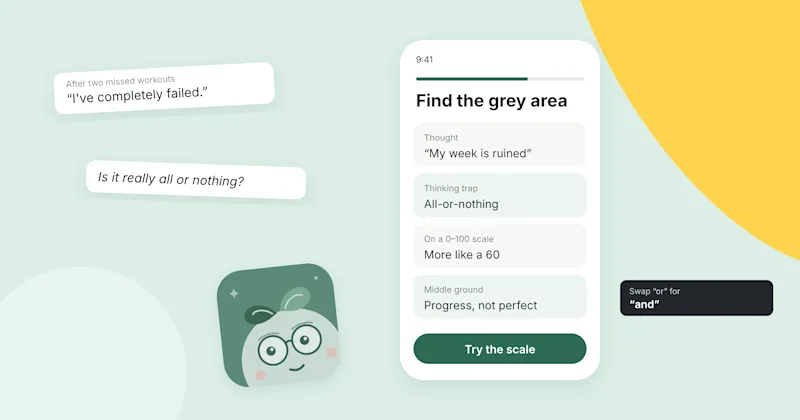
All-or-Nothing Thinking: Examples and How to Find the Middle Ground
One mistake doesn't mean you failed. See real all-or-nothing thinking examples, why your brain thinks in extremes, and 4 CBT steps to find the middle ground.
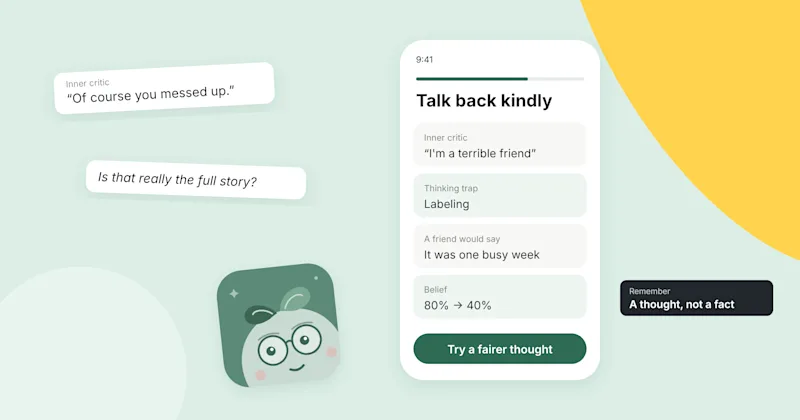
Negative Self-Talk: How to Quiet Your Inner Critic (Without Faking Positivity)
Your inner critic isn't telling the whole truth. Learn 5 CBT-based ways to quiet negative self-talk, plus a 5-minute reframe, no forced positivity needed.
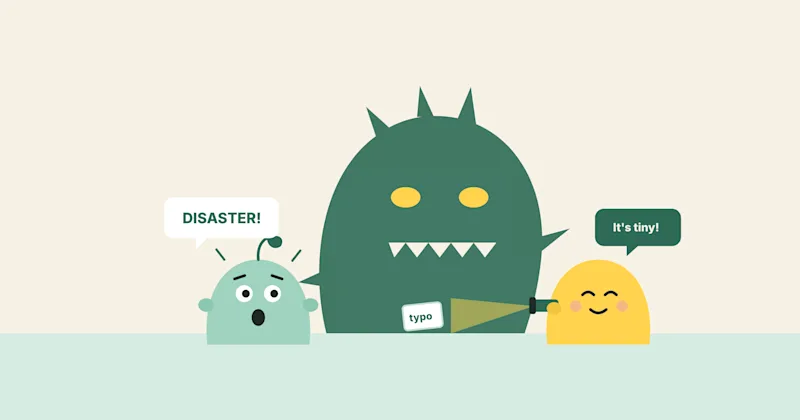
Catastrophizing: What It Is and How to Stop Expecting the Worst
Does your mind jump straight to the worst case? Learn what catastrophizing is, why it happens, and a simple 5-step CBT technique to stop it.