Overthinking in Relationships: 5 Ways to Stop the Spiral
Reading into every text and quiet mood? Here are 5 CBT-based ways to stop overthinking in a relationship, plus a 3-minute check you can try tonight.
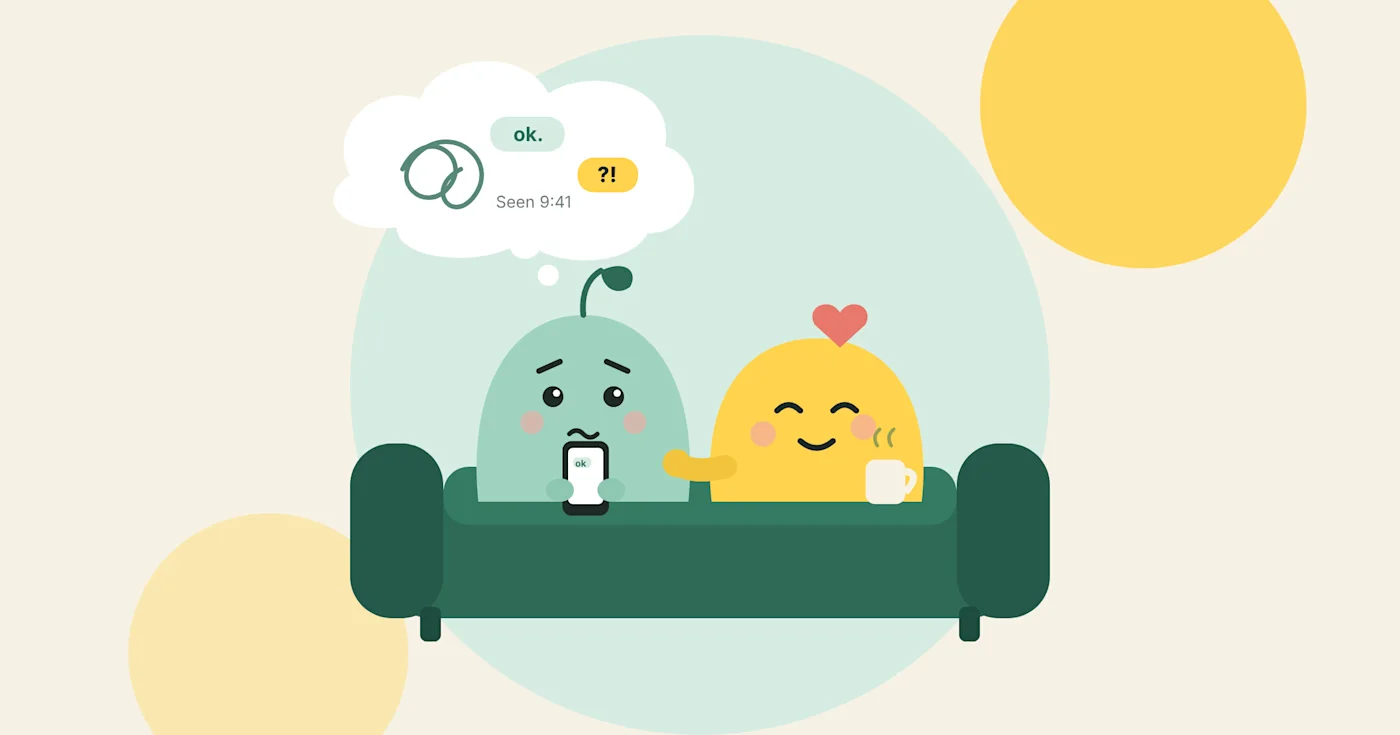
They replied "ok" instead of "okay!!". They seemed quiet at dinner. They haven't posted that photo of you two. And now you're three hours deep into a story about what it all means.
Overthinking in a relationship is exhausting, and it can quietly wear down the very connection you're trying to protect. The good news: you don't have to stop caring. You just need a better way to check the stories your mind tells you. Here's how.
What overthinking in a relationship looks like
Reading tone into every text, emoji and reply time
Replaying conversations to find what you "did wrong"
Assuming a quiet mood means they're upset with you
Asking "are we okay?" again and again, but never feeling sure for long
Picturing the breakup before anything has actually gone wrong
If a few of these sound familiar, you're in good company. Caring about someone makes their reactions feel high-stakes, and an anxious mind fills every gap with the worst version.
The thinking traps behind it
Most relationship overthinking runs on three common patterns:
Mind reading: "They're quiet, so they must be annoyed with me."
Personalising: "Their bad day is probably about something I did."
Catastrophizing: "One argument means this is falling apart."
Each one feels like insight. Each one is actually a guess. Once you can name the trap, you can check the guess instead of obeying it.
How to stop overthinking in a relationship: 5 steps
1. Separate what happened from the story
Write two lines. What happened: "They replied 'ok'." My story: "They're losing interest." Seeing them side by side shows how much your mind has added.
2. Look for other explanations
List at least three other reasons for what happened. They were driving. They were tired. That's just how they text when they're busy. You don't need to pick the right one. You just need to see that your first story isn't the only one.
3. Check the evidence, both ways
What actually supports your worry? What goes against it? Most of the time the "against" column is longer: they made plans with you this week, they said they love you yesterday, they've texted "ok" a hundred times before.
This is exactly what MiraNote helps with. You write the worrying thought, it helps you spot the trap (mind reading is a common one), and you finish with a calmer, fairer version in about three minutes. It's especially handy at those 11pm moments when you're tempted to send a fifth message. Download on the App Store or get it on Google Play. It's free to try.
4. Pause before you ask for reassurance
Asking "are we okay?" brings quick relief, but the doubt usually comes back, often stronger. Over time, constant reassurance-seeking can keep anxiety going and put pressure on the relationship (The Family Institute at Northwestern University). Try waiting 30 minutes and doing a quick thought record first. If you still want to talk, you'll come to it calmer.
5. Talk about patterns, not panic
Instead of "Why did you reply like that? Are you mad?", try: "I've noticed I get anxious when things go quiet. It helps me when you let me know if you're just busy." That invites closeness instead of defensiveness.
Try it now: a 3-minute check on a relationship worry
The thought: "They didn't text good night. They're pulling away."
Rate it: how strongly do you believe it? Say 80%.
Name the trap: mind reading and catastrophizing.
Check the evidence: they had an early start. They called at lunch. They've forgotten before and it meant nothing.
Reframe: "They probably fell asleep. One missed text isn't a pattern. I'll see how tomorrow feels."
Re-rate: maybe 30% now. That drop is your proof the first story wasn't the whole truth.
Want more ways to calm a spiral? See our guides on how to stop overthinking and how to stop overthinking at night.
When it isn't overthinking
Checking your thoughts doesn't mean ignoring real problems. If a partner is regularly dismissive, controlling, or makes you feel unsafe, your worry may be pointing at something real. Trust that, and talk to someone you trust or a professional.
And if relationship anxiety is constant, affects your sleep or daily life, or keeps showing up across relationships, a GP, doctor or licensed therapist can help. Couples therapy can help too.
If you ever feel unsafe or think you might act on thoughts of harming yourself, please contact emergency help right away. In the US you can call or text 988. In the UK, Samaritans are available on 116 123. Elsewhere, call your local emergency number.
Love with a little less noise
You care, and that's a good thing. The goal isn't to stop caring. It's to stop treating every guess as a fact. Catch the story, check it, and choose the kinder, more accurate version.
MiraNote turns that into a 3-minute habit. Download MiraNote for iPhone or for Android, and try it the next time a text sends your mind spinning.
Questions about this
Is it normal to overthink in a relationship?
Yes. When you care about someone, their reactions feel high-stakes, so it is common to read into texts, tone and silences. It becomes a problem when the worry is constant, rarely matches what actually happens, or starts to strain the relationship.
How do I stop asking my partner for reassurance?
Start by adding a short pause. When the urge to ask comes up, wait 30 minutes and write the worry down instead. Name the thinking trap, check the evidence, and write a fairer version. Over time you learn to settle the doubt yourself, which tends to feel better for both of you than asking again and again.
How do I know if it's overthinking or a real problem?
Look at patterns, not single moments. One short text or quiet evening is usually just that. But if your partner is regularly dismissive, controlling or makes you feel unsafe, your worry may be pointing at something real. In that case, trust it and talk to someone you trust or a professional.
Can an app help with overthinking in a relationship?
Yes, it can give you something to do with the worry instead of sending another message. MiraNote walks you through a 3-minute thought record: write the thought, spot the thinking trap, and finish with a calmer, fairer version. It is a self-help tool, not therapy, and it is free to try on iPhone and Android.
Written by
Content writer
Emily Carter writes for MiraNote about everyday CBT skills, thinking traps, and calm, practical ways to untangle a hard thought.
Written and reviewed under our editorial guidelines.
More from the blog
All posts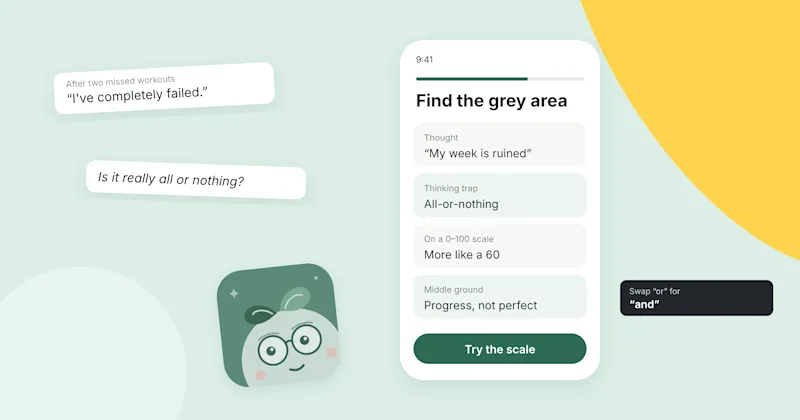
All-or-Nothing Thinking: Examples and How to Find the Middle Ground
One mistake doesn't mean you failed. See real all-or-nothing thinking examples, why your brain thinks in extremes, and 4 CBT steps to find the middle ground.
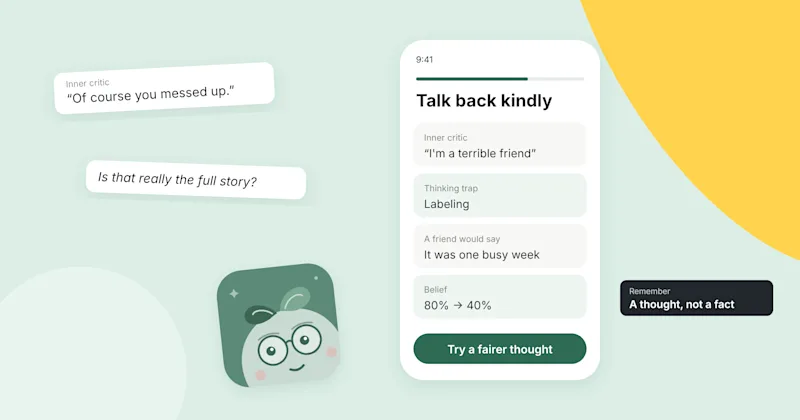
Negative Self-Talk: How to Quiet Your Inner Critic (Without Faking Positivity)
Your inner critic isn't telling the whole truth. Learn 5 CBT-based ways to quiet negative self-talk, plus a 5-minute reframe, no forced positivity needed.
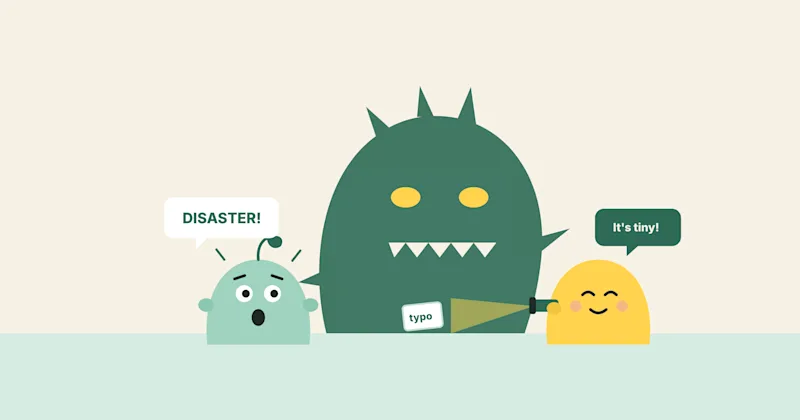
Catastrophizing: What It Is and How to Stop Expecting the Worst
Does your mind jump straight to the worst case? Learn what catastrophizing is, why it happens, and a simple 5-step CBT technique to stop it.