How to Stop Overthinking at Night: 6 Ways to Quiet Your Mind
Racing thoughts the moment the lights go off? Here are 6 simple, CBT-based ways to stop overthinking at night, plus a 5-minute wind-down to try tonight.

The lights are off. The day is done. And that's exactly when your brain decides to replay the meeting, the text you sent, and every worry about tomorrow, one by one.
If that sounds familiar, you're not broken. Night is when there's nothing else to distract you, so unfinished thoughts get loud. The fix isn't forcing your mind to go blank. It's giving those thoughts somewhere to go. Here's how.
Why overthinking gets worse at night
No distractions. During the day, work and people pull your attention. In bed, it's just you and the thought.
A tired brain is a harsher judge. When you're exhausted, small problems look bigger and worst-case stories feel more believable.
Trying to sleep makes it harder. The more you push to fall asleep, the more alert you become. Then you start worrying about not sleeping, too.
So the goal is simple: close the loops before bed, and know what to do if they open again at 2am.
How to stop overthinking at night: 6 things that help
1. Do a 10-minute "brain dump" before bed
About an hour before sleep, write down everything that's on your mind: tasks, worries, half-thoughts. Don't organise it. Just get it out. In a Baylor University study, people who wrote a to-do list for the next few days before bed fell asleep faster than people who wrote about tasks they'd already finished (Baylor University).
2. Turn the loudest worry into a thought record
One worry is usually louder than the rest. Give it three minutes:
Capture: write the exact sentence. "I'm going to mess up the presentation."
Examine: name the thinking trap. That's fortune telling, predicting a bad outcome as if it's certain.
Reframe: write a fairer version. "I've prepared. It might not be perfect, and that's okay."
This is the core exercise in CBT, and it's exactly what MiraNote is built for. It walks you through each step on your phone, helps you spot the pattern, and lets you rate how much lighter the thought feels afterwards. Download on the App Store or get it on Google Play. It's free to try, so it's ready the next time a thought keeps you up.
3. Give tomorrow's problems a time
Some worries are real and need action, just not at 11pm. Write one small next step and when you'll do it: "Email Sara at 10am." Your brain relaxes once it knows the problem has a plan.
4. Keep a notepad by the bed
If a new thought pops up after lights out, jot it down in a few words and tell yourself, "Handled for tonight." No scrolling, no long journaling, just park it.
5. Don't fight it in bed for hours
If you've been lying awake and spinning for a while, get up. Go to another room, keep the lights low, and do something calm and boring until you feel sleepy. Lying in bed awake for a long time can teach your brain that bed is a place for worrying (NHS).
6. Give your mind something gentler to hold
An empty mind is hard. A quiet one is easier. Try slow breathing (in for 4, out for 6), or picture a calm, detailed scene, like walking a familiar street, noticing every shop. Boring, neutral images crowd out anxious ones.
Try it tonight: a 5-minute wind-down
Minutes 1 to 2: brain dump everything on your mind.
Minutes 3 to 4: pick the loudest worry and do a quick thought record, on paper or in MiraNote.
Minute 5: write one next step for tomorrow, put the phone or paper down, and take five slow breaths.
Do this for a week. Most people notice the thoughts still show up, but they lose their grip faster. For more ways to calm a spiral during the day, see our guide on how to stop overthinking.
When to get extra support
Everyone has the odd restless night. But if racing thoughts keep you awake most nights for weeks, or you feel low, anxious or exhausted during the day, talk to a GP, doctor or licensed therapist. Help for sleep and worry works, and you don't have to sort it out alone.
If you ever feel unsafe or think you might act on thoughts of harming yourself, please contact emergency help right away. In the US you can call or text 988. In the UK, Samaritans are available on 116 123. Elsewhere, call your local emergency number.
Let the thought wait until morning
You don't have to solve everything before you sleep. You just need to show your brain that the thought has been heard and has a place to wait. Catch it, check it, park it.
MiraNote makes that a 3-minute habit before bed. Download MiraNote for iPhone or for Android, and try it tonight.
Questions about this
Why does my mind race when I try to sleep?
At night there is nothing left to distract you, so unfinished worries get louder. Being tired also makes problems feel bigger than they are. Writing your thoughts down before bed and checking the loudest one with a quick thought record gives them somewhere to go.
What should I do if I wake up at 3am overthinking?
Jot the thought down in a few words so you can let it wait until morning. If you are still wide awake and spinning after a while, get up, go somewhere dim and quiet, and do something calm until you feel sleepy. Avoid checking your phone or trying to solve the problem in the middle of the night.
Is overthinking at night a sign of anxiety?
Not always. Most people overthink in bed from time to time, especially during stressful weeks. But if racing thoughts keep you awake most nights for weeks, or you feel anxious, low or exhausted during the day, it is worth talking to a GP, doctor or therapist.
Can an app help me stop overthinking before bed?
Yes, if you use it as part of a short wind-down rather than for scrolling. MiraNote guides you through a 3-minute thought record: capture the worry, spot the thinking trap, and write a calmer version, then you can put the phone down. It is a self-help tool, not therapy, and it is free to try on iPhone and Android.
Written by
Content writer
Emily Carter writes for MiraNote about everyday CBT skills, thinking traps, and calm, practical ways to untangle a hard thought.
Written and reviewed under our editorial guidelines.
More from the blog
All posts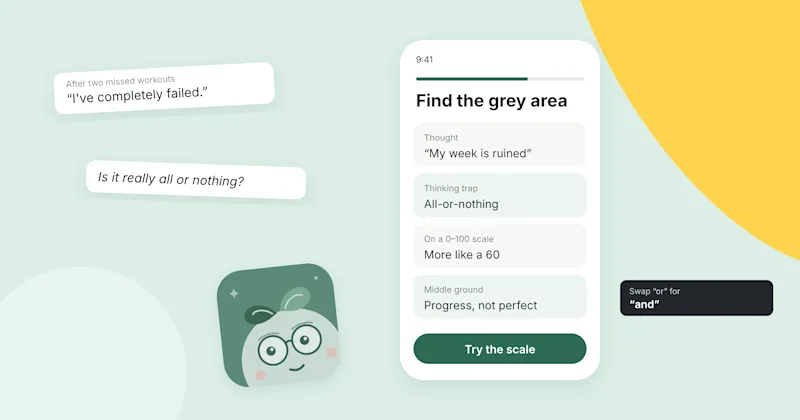
All-or-Nothing Thinking: Examples and How to Find the Middle Ground
One mistake doesn't mean you failed. See real all-or-nothing thinking examples, why your brain thinks in extremes, and 4 CBT steps to find the middle ground.
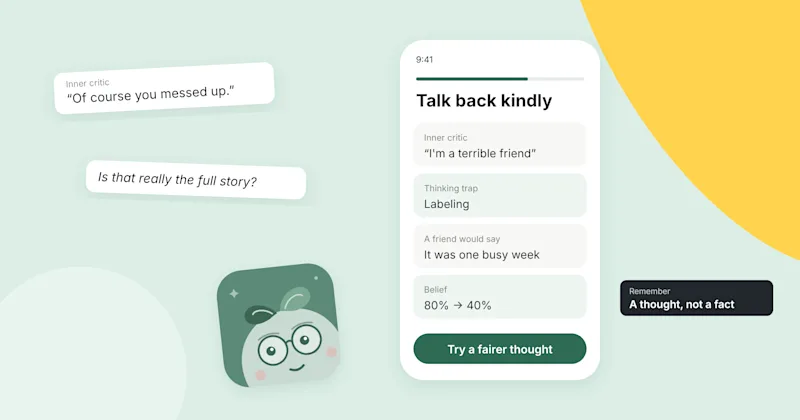
Negative Self-Talk: How to Quiet Your Inner Critic (Without Faking Positivity)
Your inner critic isn't telling the whole truth. Learn 5 CBT-based ways to quiet negative self-talk, plus a 5-minute reframe, no forced positivity needed.
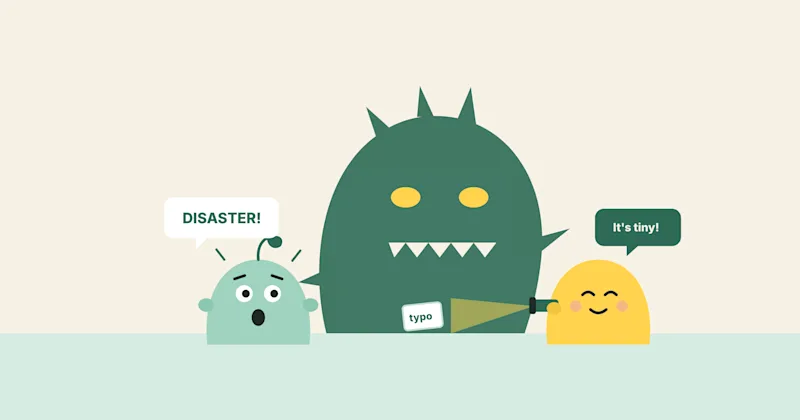
Catastrophizing: What It Is and How to Stop Expecting the Worst
Does your mind jump straight to the worst case? Learn what catastrophizing is, why it happens, and a simple 5-step CBT technique to stop it.